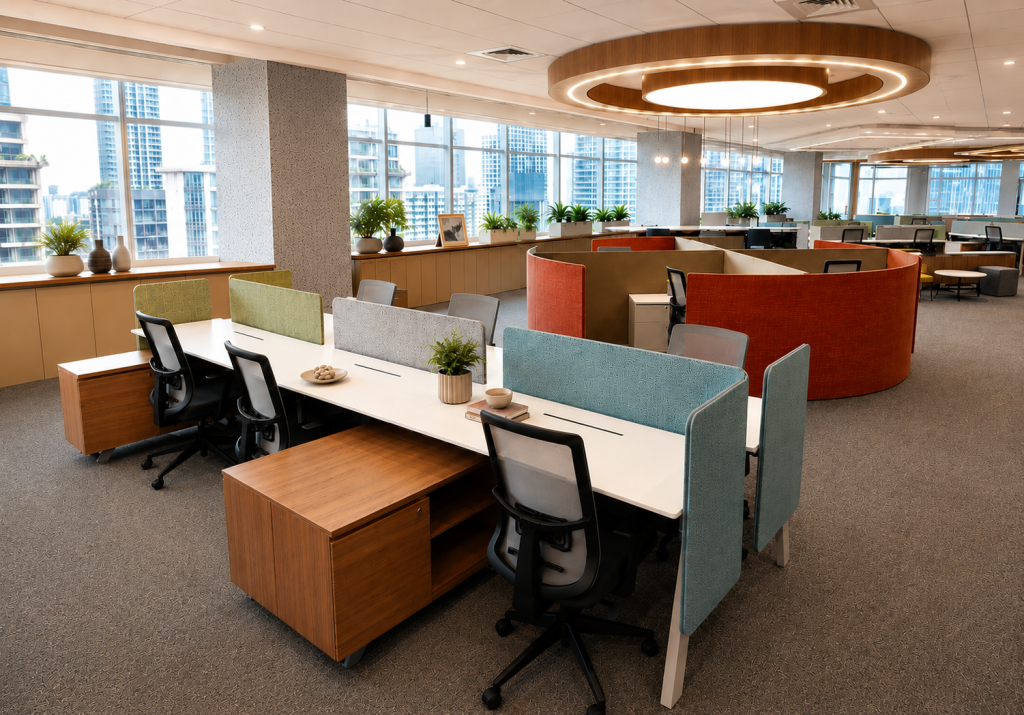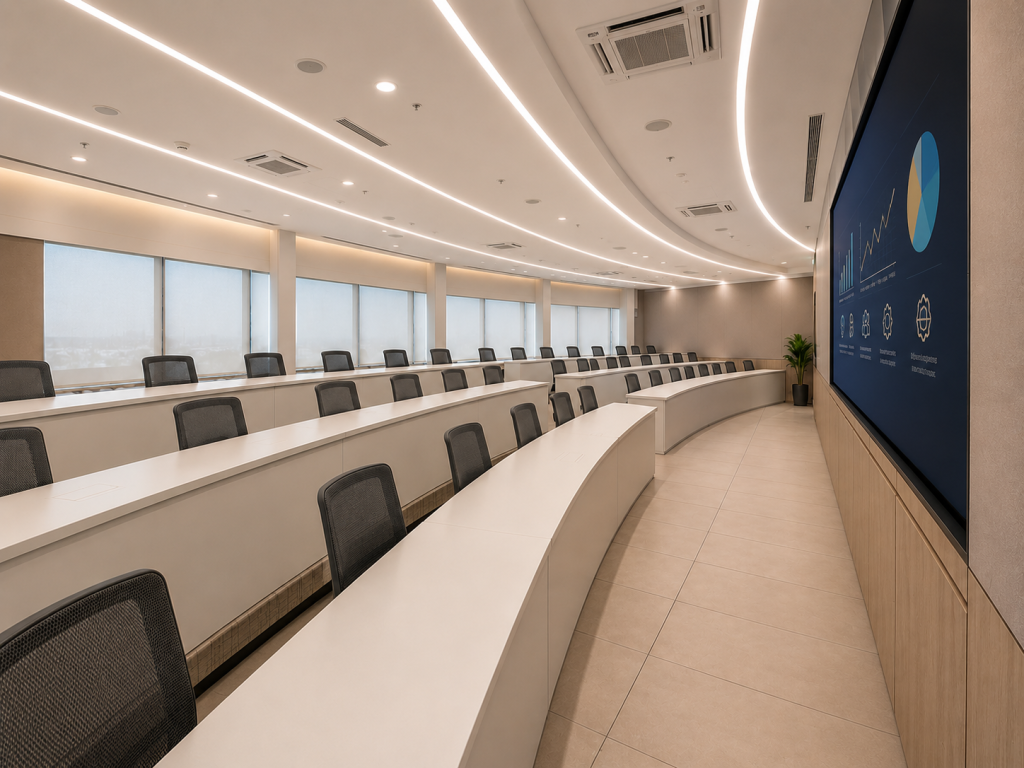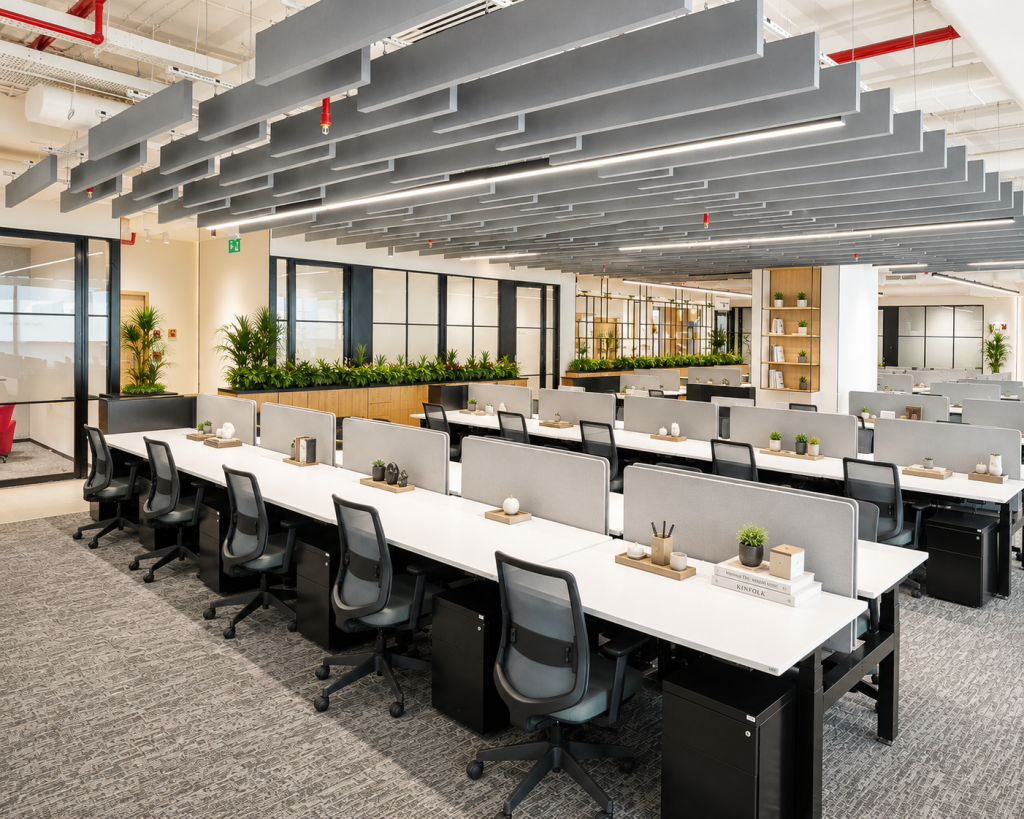
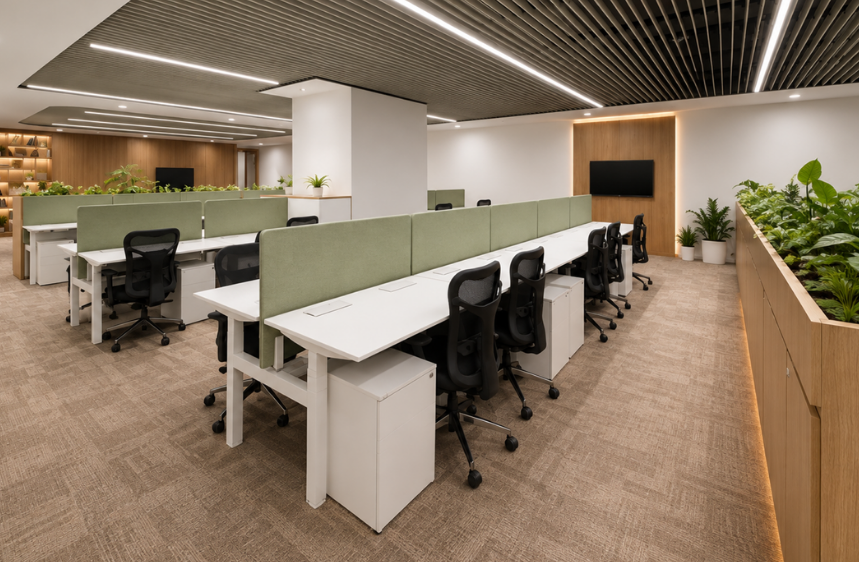
A well-designed office is more than just a place where employees work. It is an environment that influences productivity, collaboration, creativity and employee comfort. As businesses continue to evolve, the demand for flexible, functional and aesthetically pleasing workspaces has increased.
This is where modular office furniture plays an important role. With customisable designs, practical configurations and modern aesthetics, modular furniture helps businesses create workspaces that suit their operational requirements.
But how do you choose the right furniture for your office? Let’s explore the key factors to consider.
Understand Your Office Space and Requirements
Before selecting office furniture, understand the available space and how it will be used.
Consider:
- Number of employees and workstations required.
- Space available for individual cabins and collaborative areas.
- Meeting and conference room requirements.
- Storage and document management needs.
- Future expansion possibilities.
A well-planned layout ensures that every area is used efficiently without making the office feel crowded.
Choose Workstations That Support Productivity
Office workstations are among the most important elements of any corporate workspace.
The right workstation should offer sufficient desk space, comfortable seating arrangements and practical storage solutions.
Modular desking systems allow businesses to choose different configurations depending on their team structure and available floor space.
Whether you need individual workstations, team-based desks or collaborative work areas, selecting the right configuration can improve everyday workflow.
Prioritise Ergonomics and Employee Comfort
Employee comfort should be a priority when designing an office.
Ergonomic furniture helps create a comfortable working environment by supporting better posture and allowing employees to work more comfortably throughout the day.
Consider incorporating:
- Ergonomic office chairs.
- Height-adjustable desks.
- Proper desk heights.
- Suitable monitor positioning.
- Adequate legroom and workspace.
Height-adjustable tables are particularly useful for creating flexible work environments where employees can alternate between sitting and standing.